Faith

Unmelting Hope

blog_christmasornamentsnow

As much as I love the atmosphere of snow during this season, I’ve learned it’s not any more necessary than gifts or decorations. A snowless Christmas can’t take away the symbolism. It can’t erase the story of a baby born to die for our sins. So let it snow, or let it…not snow. I will be grateful for the hope that can thaw the coldest of hearts…a hope that will never melt away.


Photo Credit: Christmas Ornament | Free Stock Photo | A red Christmas ornament …

To Snow or not to Snow

Blog_ChristmasLanternA forecast of sixty degrees and sunny does not make for a happy Midwesterner come Christmastime. We grow up expecting snow as some sort of holiday birthright, our desire for it so great we’ve made it the theme of several songs—though we must admit it’s somewhat contradictory to string Let it Snow, White Christmas, and I’ll be Home for Christmas in the same playlist. Do we really want another Snowmageddon if we’re trying to hit the roads or catch a flight home? That white Christmas we’re dreaming of might mean we won’t be home for Christmas after all. Although this year, it looks like we’re getting more than what we asked for.

The first Christmas happened so long ago, we can’t say with any certainty whether there was snow or not. Snow is rare, though not impossible, in the region where Jesus was born. And some historians suggest his actual birthday was not a winter event.

Whether or not he was born in winter, I find it to be a fitting season for the symbolism of the holiday. The ground covered in a blanket of white is reminiscent of God’s promise, “though your sins are like scarlet, they will be white as snow.” That’s why Jesus came. And a hero who would live to die for the salvation of the world deserves to be celebrated. I call December 25 Jesus’ birthday observed.

As much as I love the atmosphere of snow during this season, I’ve learned it’s not any more necessary than gifts or decorations. A snowless Christmas can’t take away the symbolism. It can’t erase the story of a baby born to die for our sins. So let it snow, or let it…not snow. I will be grateful for the hope that can thaw the coldest of hearts…a hope that will never melt away.

Putting the Giving into Our Thanks

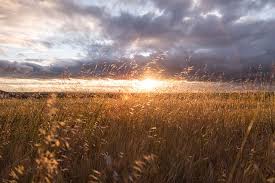
Blog_HarvestFieldThis Thanksgiving season, we’ll be putting a lot of things in our stomachs. The table will be full one moment; our mouths will be full the next. Before we know it, we’ll be more stuffed than the turkey. But before we put all that extra stuffing into our bodies, why don’t we consider what we can put into our thanks?

“Thanks” is something that’s meant to be given. Sometimes it will be easy; sometimes it won’t. It’s easy to be grateful when everything is going as we desire. But what if things aren’t happening just like we hoped they would? What if the “table” is empty of a mouthwatering feast, and filled only with bitter herbs?

In God’s word, we learn that thanksgiving will sometimes be a sacrifice: “…let us offer the sacrifice of praise to God continually, that is, the fruit of our lips giving thanks to his name” (Hebrews 13:15). When we’re going through fiery trials, it can be a challenge to maintain a heart of gratitude. Giving thanks in difficult times may be the hardest thing we’re asked to do, and yet it is the very thing that will help lift the burden of a heavy heart.

When our prayers have not been answered as we expected, or in the timing we hoped for, we can always remember the words of Helen Keller: “When one door of happiness closes, another opens; but we often look so long at the closed door that we do not see the one which has been opened for us.” I’ve learned from experience that every closed door leads to a greater open door, and that for every unfulfilled longing a deeper need is met. Knowing this can help us to be grateful even for the closed doors in our lives.

Even if all we have has been taken from us, no one and nothing can take away a heart of gratitude. We can understand the importance of being thankful, but it’s not genuine until we actually GIVE thanks—especially when it’s difficult. This Thanksgiving and beyond, let’s celebrate by putting the giving into our thanks.

(Originally posted on the Tears of Joy blog)

The Missing Ingredient

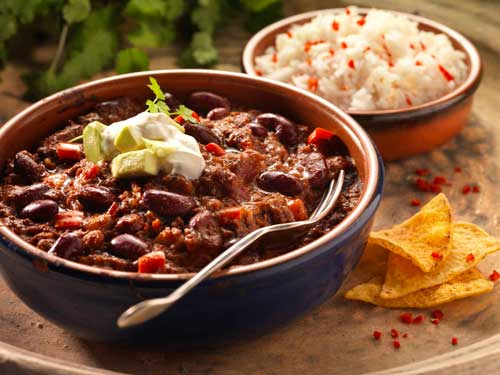
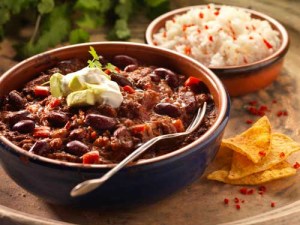
Blog_RecipeI was looking forward to preparing a delicious meal for my family until I opened the spice drawer and realized one of the main ingredients was missing. Without it, I couldn’t make what I’d planned.

It’s amazing that just one small ingredient can make or break an entire meal. When it comes to the recipe of faith, there is one ingredient that often gets overlooked: patience. During seasons when our faith is put to the test, this is the one thing that will carry us through.

The Bible is filled with stories about men and women known for their great faith: great—due not to their own merit, but due to the greatness of the God in whom they placed their faith. Such people had an intimate knowledge of God that enabled them to walk with confidence in His promises. They were so sure of His faithfulness that they were willing to wait a lifetime and beyond to see the fulfillment of His Words. Their faith was accompanied by patience.

We will develop the same patience to persevere in faith when we look to “the author and finisher of our faith.” When we look to Him, we are reminded that it is not so much our faith that keeps us, as it is His faithfulness. An understanding of His faithfulness will fuel our willingness to wait for the fulfillment of His promises.

Abraham was promised that he would father many nations, yet he did not see the birth of his son until he was old in years. Joseph was given dreams of how God would do great things through him—but before his dreams became a reality, he endured rejection, enslavement, false accusations, and imprisonment. Moses asked to see God’s glory, yet his prayer was not answered until years after his death when he visited Jesus on the Mount of Transfiguration. David was anointed as King, but he had to live under the ungodly rule of Saul before he could wear the crown. The disciples heard from Jesus’ own mouth words of the coming kingdom, but they endured severe persecution and even death without seeing the fullness of the kingdom come.

In these dark days, we’re not only going to need faith to stand firm until the end. We’re going to need the key ingredient of patience. And patience will only come through an intimate knowledge of God. When we know Him intimately, we will be sure of His faithfulness. And He who is faithful is able to keep us.

“…imitate those who through faith and patience inherit the promises.” (Hebrews 6:12)


Photo Credit: chilli-con-carne-recipe | deepdarksquid | Flickr

O Death, Where is Your Victory?

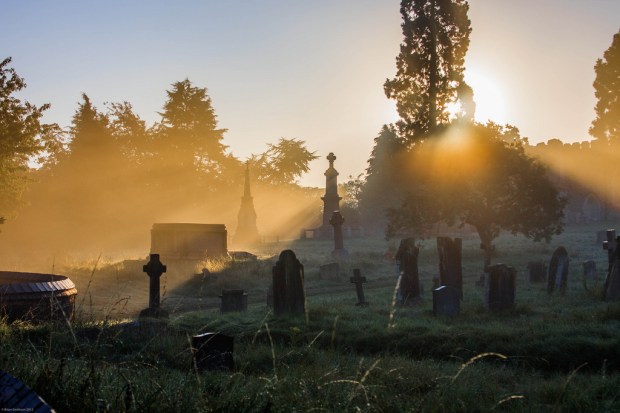
blog_graveyardsunrise

“When the perishable puts on the imperishable, and the mortal puts on immortality, then shall come to pass the saying that is written: ‘Death is swallowed up in victory.’

“O death, where is your victory? O death, where is your sting?” (1 Corinthians 15:54-55)

Source: Haunted No More

Photo Credit: Warmth comes to the graveyard | The first rays of the sun co… | Flickr

Fading Away

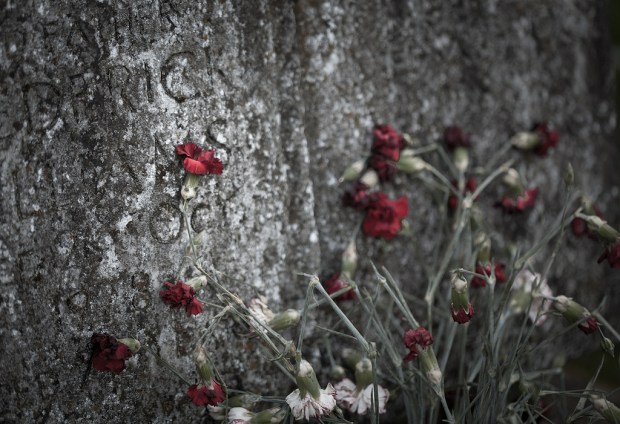
blog_dyingflowers

“The grass withers, the flower fades, but the word of our God endures forever.” (Isaiah 40:8)


Source: Skeletons

Photo Credit: Flowers by a Grave | These dying flowers were found resting … | Flickr

More than a Neighbor

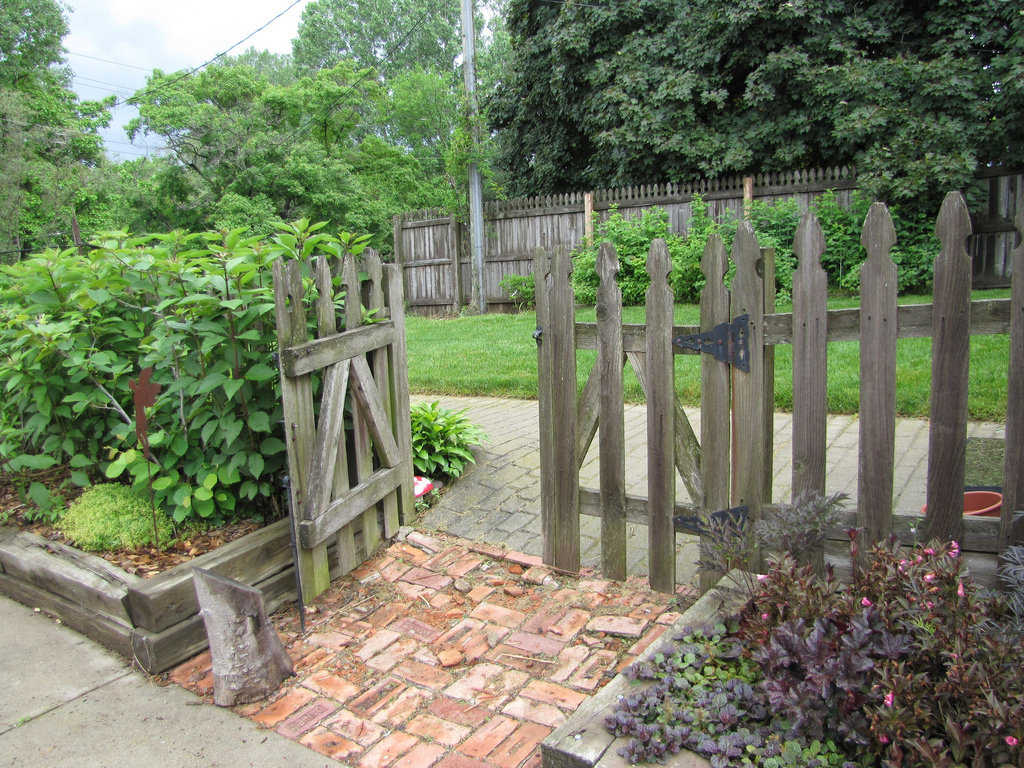
Blog_BackyardFenceQueue the game show music. You have ten seconds to name as many of your neighbors as you can. Ready, set…go!

How many names did you come up with? And how well do you know the people behind those names? I’ll have to admit, I didn’t do too well beyond my immediate neighbors. Sadly, in our quiet and transient neighborhood, we don’t see each other much beyond the parking lot. It was a surprisingly pleasant gift when our neighbors got locked out of their apartment and had to camp out in our living room for a couple hours.

What’s got me thinking about this? Last year as I was cleaning out my parents’ garage after their recent move their neighbor came by. He asked about my mom and dad, genuinely concerned about their well being and wondering if he could help in any way.

“You see,” he said, “your parents were more than neighbors to us. They always went out of their way for everyone in the neighborhood. They took the time to get to know us. They even helped us when we needed it—doing things like shoveling our walks. This place won’t be the same without them. And we want to help them like they helped us.”

What powerful words. My parents have always demonstrated the art of being a neighbor—my dad, the friendly, humble servant and my mom the gentle, nurturing caregiver. When I was little, they knew everyone within a few block radius, and even welcomed strangers into our home on a regular basis—from a lonely old man named Augie, to an autistic boy named Danny, to foreign exchange students from all over the world—one of whom said of my dad: “If everyone in the world were like him, there would be no war.”

How appropriate my dad’s nickname is Jasper—a precious stone known for representing sacrifice and royalty. It is listed as the first foundation stone in the walls of heaven. How fitting that my mom’s name means “grace.” She’s one of the most gracious people I know.

As I think about all I’m grateful for, one of the biggest things is that I have parents who are an example of what it means to “love your neighbor as yourself.” They’ve shown me what the Christian life should be: “do unto others as you would have them do unto you.” And they’ve emulated the words I saw each day on our kitchen wall as I grew up, “Love is the little things you do.”

“There is no greater love than to lay down one’s life for one’s friends.” (John 15:13)