 My family has gone on more walks lately than I can recall in any springtime past. We’re blessed to live in an area with multiple locations for scenic hikes, so we’ve taken much advantage of one of the few things still allowed during shelter-in-place: outdoor exercise. This is one thing I hope doesn’t change when all this passes over.
Along our walks, we’ve seen many beautiful and interesting things. But I will say there is one thing we’ve seen that seems especially unusual. Empty playgrounds.
While the sight of a slide and some swings usually elicits a gasp of excitement from my children, there is a strange stillness when we pass by equipment once adorned with laughing children. It’s somber, almost. Haunting.
I know my kids are eager for things to go back to normal when it comes to playgrounds. And many others are yearning for business-as-usual in other areas as well. Family gatherings. Visits with friends. Work. School. Shopping. Entertainment. Sports.
As much as I long for some normalcy, there are some things I hope never return to the way they were before the lock-down. I hope my family continues to treasure our precious time together. I hope we still enjoy long walks outdoors. And I hope we remain in this state of prioritizing the valuable over the urgent.
On a more serious level, there are other things I hope never go back to business-as-usual. Prior to this season of quarantine, the practice of human trafficking was flourishing on soil across the globe. This $150 billion per year, 40 million victim industry prospered without hindrance on every continent.
Only time will tell how much this shut-down has slowed the progress of this horrific evil. We may never know how many abductions have been prevented with children and youth required to remain safely inside. And with the sports industry on halt, the trafficking-driven after-sporting events are left without the hundreds of thousands they once magnetized.
My prayer is that this current crisis will come as an urgent wake-up call to those who have funded this industry with selfish appetites, and that they would turn from their victimizing ways. My hope is that those who have been victimized will find their way to lasting freedom, and that those who are laboring behind the scenes to bring such freedom will prosper in the cause of justice. And my desire is that the horrific practice of modern slavery will not continue business-as-usual.
 My seven-year-old son has a strong sense of justice, at least when he’s not the one whose actions are in question. He’s quick to report any offense of which he sees himself victim. And often he’s compassionate enough to stand up when his friends face potential mistreatment.
 We see the need, we feel compelled. We hear the statistics, we feel overwhelmed. What can one average person do?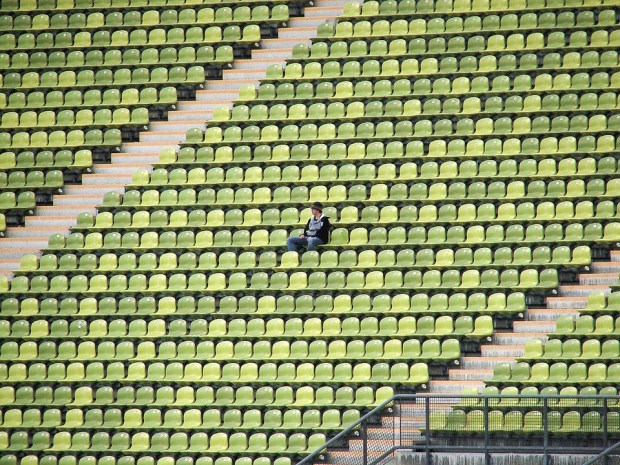
 She was finally free, but she refused to forget those still in chains. While she could have lived in relative safety, she chose to risk her life to rescue those bound as she once was. Harriet Tubman knew the danger she would face in returning to the place of her own bondage for the sake of those enslaved. Yet she considered their lives and valued their freedom more highly than her own.
 A life in chains is unimaginable from the vantage point of freedom. Nothing could be more horrific than to be taken by force from the life, land, and family you love. Even more inconceivable is that anyone would willingly choose a life in chains.
 This Life & Beyond
You must be logged in to post a comment.